What should a business do when its IT hardware reaches EOL? Many businesses ask this question when they receive a notice that their server, storage system, network device, or tape library has reached EOL (End of Life). It is easy to think that EOL means the hardware must be replaced immediately, but that is not always true.
EOL means the manufacturer has stopped selling a product. It does not mean the equipment suddenly stops working. Many organizations continue using EOL hardware for years with the right maintenance and support plan.
A smart approach to End Of Life helps businesses reduce unnecessary spending, extend the life of their equipment, and keep their IT infrastructure running without replacing hardware before it is truly needed.
What Is EOL?
EOL (End of Life) is the stage in a product’s lifecycle when the manufacturer no longer sells or provides that hardware model.
When a product reaches End Of Life:
- Manufacturing stops.
- New units become limited or unavailable.
- Official product updates become less frequent.
- Businesses begin planning for future support.
It is important to remember that End Of Life does not mean the hardware has stopped working. In many cases, servers, storage systems, and network devices continue performing well for years after reaching End Of Life.
Why Do Businesses Continue Using EOL Hardware?
Replacing IT equipment before it is necessary can be expensive.
Many organizations continue using End Of Life hardware because:
- The equipment still performs well.
- Replacing an entire infrastructure requires a large budget.
- Existing systems are stable.
- Business applications still depend on the current hardware.
- Planned upgrades may be scheduled for a later date.
For these reasons, many businesses choose maintenance services instead of immediate replacement.
Common IT Equipment That Reaches EOL
Many types of IT hardware eventually reach End Of Life, including:
- Servers
- Storage systems
- Network switches
- Routers
- Firewalls
- Tape libraries
- Blade systems
Even after these products reach End Of Life, they can continue supporting business operations with proper maintenance.
Challenges of EOL Hardware
Although EOL equipment can continue working, businesses should understand the possible challenges.
Limited Manufacturer Support
Manufacturers stop selling the product and gradually reduce official support options.
Spare Parts Become Harder to Find
Original replacement parts may become less available over time.
Upgrade Planning
Businesses should have a long-term strategy for future hardware upgrades.
Budget Management
Unexpected hardware replacement can create unnecessary expenses if no maintenance strategy is in place.
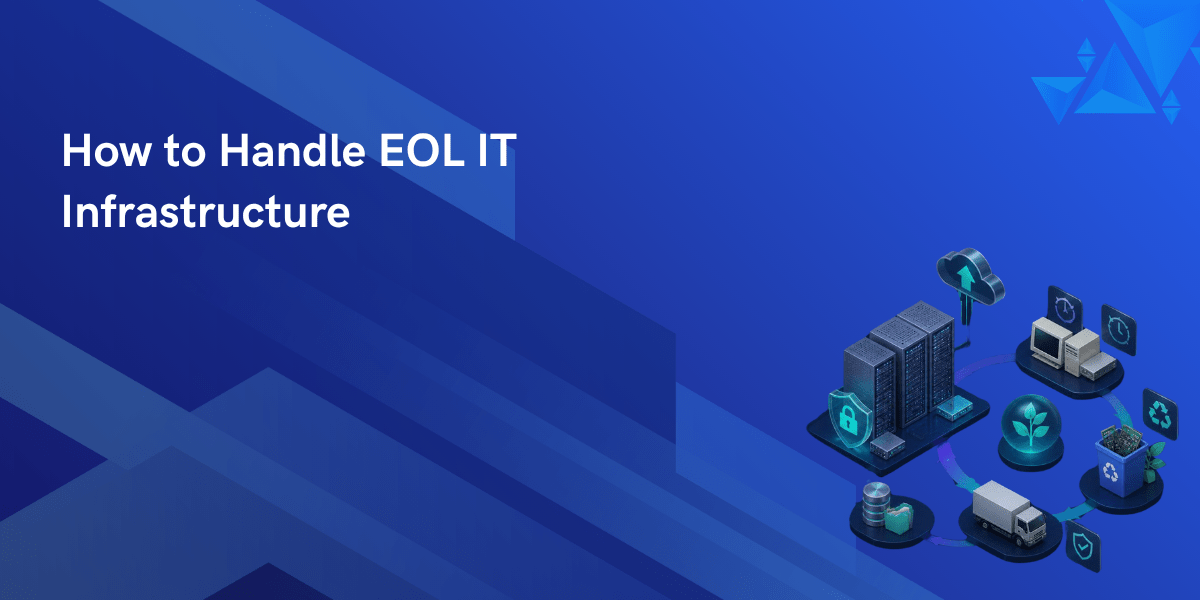
How to Handle EOL IT Infrastructure
Handling End Of Life hardware starts with proper planning instead of immediate replacement.
Check Your Hardware Inventory
Create a list of all servers, storage devices, and networking equipment.
This helps identify which products have already reached EOL and which products may reach End Of Life soon.
Review Business Requirements
Not every system needs immediate replacement.
Some hardware supports critical workloads, while others perform less demanding tasks.
Understanding business needs helps determine which equipment should remain in service.
Monitor Hardware Performance
Regular health checks help identify potential hardware issues before they affect operations.
Monitoring includes:
- Hardware status
- Storage capacity
- Network performance
- System logs
- Hardware alerts
Consider Third-Party Maintenance
Many businesses continue using EOL hardware with the help of a third-party support provider.
Third-party maintenance offers continued hardware support after manufacturer services become limited.
This approach helps businesses:
- Extend hardware life
- Control maintenance costs
- Continue using reliable equipment
- Delay unnecessary hardware replacement
EOL Is Not the Same as EOSL
Many people confuse End Of Life with EOSL (End of Service Life).
Although they are related, they have different meanings.
- EOL means the manufacturer has stopped selling the product.
- EOSL means official manufacturer maintenance and support have ended.
Understanding these terms helps businesses make better decisions about maintenance and replacement planning.
To find out more about the differences between EOL and EOSL, the meaning of other hardware lifecycle terms, and how they all affect your data center, learn more about End of Life vs End of Support: What are the differences?
Signs That It May Be Time to Replace EOL Hardware
Although many End of Life systems continue working well, replacement may become necessary if:
- Hardware failures become frequent.
- Replacement parts are no longer available.
- Performance no longer supports business needs.
- Business growth requires higher capacity.
- Older hardware cannot support new applications.
A planned replacement is usually better than waiting for unexpected failures.
How Can Agrius IT Support My EOL Devices?
Agrius IT helps businesses continue using EOL hardware with reliable maintenance services. As a third-party support provider, Agrius IT offers maintenance for servers, storage systems, network equipment, and tape libraries after products reach End of Life.
The support team helps reduce maintenance costs, extend hardware life, provide replacement parts when needed, and keep critical systems operating without requiring immediate hardware replacement. This allows businesses to plan upgrades based on their operational needs instead of replacing equipment simply because it has reached End of Life.