Why Your Business Needs IT Outsourcing: Key Benefits in 2026
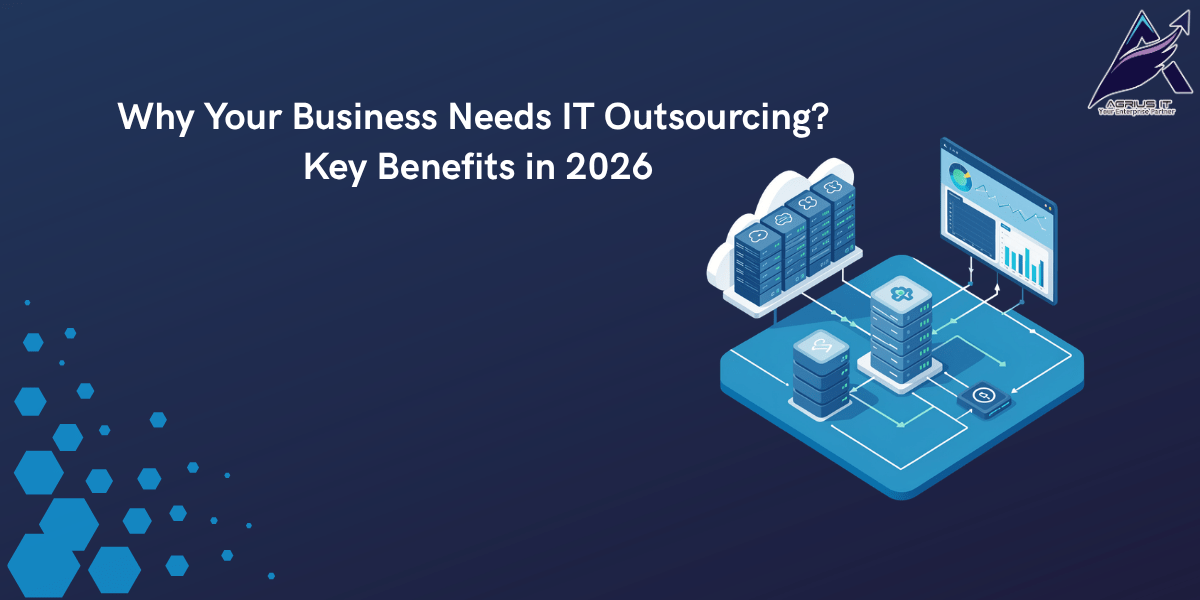
How can your business manage its IT needs while keeping costs under control? Many businesses depend on servers,storage systems, networks, and data centers to run their daily operations. Managing all these systems with an internal team can require more staff, time, and resources. This is where IT Outsourcing can help. IT Outsourcing means hiring an external IT service provider to manage selected IT tasks or infrastructure for a business. Companies can outsource server support, storage maintenance, network support, data center services, and other IT requirements. For businesses that want reliable IT support without building a large internal team, outsourcing can be a practical option.
What Is IT Outsourcing?
Handling every IT task internally, a business can work with an experienced service provider for specific requirements.
For example, a company may outsource:
- Server maintenance and support
- Storage system maintenance
- Network hardware support
- Data center support
- IT infrastructure maintenance
- Third Party maintenance Services
- Hardware replacement and repair
- Multi-vendor IT support
The services can be selected according to the company’s needs. A business does not always need to outsource its complete IT department. It can outsource one service or several services based on its requirements.
Why Do Businesses Choose IT Outsourcing?
Businesses choose IT Outsourcing for different reasons. Some need help with IT equipment, while others want support for their data center or enterprise infrastructure. Outsourcing can also help companies manage IT work when their internal team has limited resources.
1. Reduce IT Costs
Maintaining a large internal IT team can increase business expenses. Companies may need to pay salaries, training costs, equipment costs, and other expenses.
With IT Outsourcing, businesses can hire an external provider for specific IT services. This can help reduce the need for additional employees and lower some operational costs.
2. Get Access to IT Support
An external IT provider can offer support for different types of IT infrastructure. This can be helpful when a business has limited internal IT resources.
For example, a company may need support for servers from different brands. A multi-vendor IT service provider can help manage these systems through one support arrangement.
3. Support IT Infrastructure
Servers, storage systems, and networking equipment need regular maintenance to keep business operations running properly. IT Outsourcing can provide access to professionals who understand different infrastructure requirements.
Regular maintenance can also help identify equipment problems before they affect business operations.
4. Extend the Life of IT Hardware
Many businesses continue using IT hardware after the original manufacturer support period ends. Replacing working equipment only because it has reached EOL or EOSL status can be expensive.
Third-party IT support can provide maintenance for eligible hardware beyond the manufacturer’s support period. This can help businesses continue using existing equipment while planning future upgrades.
5. Get Multi-Vendor Support
Businesses often use hardware from several manufacturers. Managing support contracts for each brand can become difficult.
IT Outsourcing can provide a single support provider for different IT brands and systems. This can make support management easier and give businesses one point of contact for multiple infrastructure requirements.
6. Focus on Core Business Activities
IT management can take significant time, especially when technical issues require regular attention. By outsourcing selected IT tasks, internal employees can spend more time on their main business responsibilities.
The external provider handles the agreed IT services while the company’s internal team focuses on business operations.
IT Outsourcing for Data Centers
Data centers contain important equipment such as servers, storage systems, network devices, and other infrastructure. These systems require regular monitoring, maintenance, and technical support.
Businesses can use IT Outsourcing for data center maintenance and infrastructure support. Third-party maintenance providers can support equipment from different manufacturers and help businesses manage hardware after the original warranty or support period.
This approach can be useful for companies that want to maintain existing infrastructure while controlling maintenance expenses.
How to Choose an IT Outsourcing Provider
Businesses should consider several points before selecting an IT outsourcing provider. The provider should have experience with the type of infrastructure used by the company.
Businesses should check about these points:
- IT infrastructure experience
- Supported hardware brands
- Service coverage
- Response times
- SLA options
- Technical support capabilities
- Maintenance services
- Experience with data centers
- Multi-vendor support options
A clear service agreement is also important. It should explain the services provided, response times, support coverage, and responsibilities of both parties.
Why Choose Agrius IT for IT Outsourcing?
Agrius IT provides IT Outsourcing and infrastructure support services for businesses that need help managing their IT hardware and data center equipment. Its services cover servers, storage systems, networking devices, and other IT infrastructure.
Agrius IT also provides best Third Party Maintenance (TPM) services for businesses that want to continue using eligible IT equipment beyond the manufacturer’s support period. Its multi-vendor support approach can help businesses manage equipment from different brands through one service provider.
Whether a business needs server maintenance, storage support, network hardware support, or data center maintenance, Agrius IT can provide services based on its infrastructure requirements.
Contact Agrius IT
If your business is looking for IT Outsourcing services for servers, storage, networking, or data center infrastructure, Contact Agrius IT to discuss your requirements and available support options.