Many businesses continue using their IT equipment for years because it still works well and supports daily operations. However, a common concern appears when the equipment reaches its End of Service Life (EOSL). At this stage, the manufacturer no longer provides updates, repairs, or technical support. This situation often makes businesses wonder if they should replace their equipment immediately or continue using it.
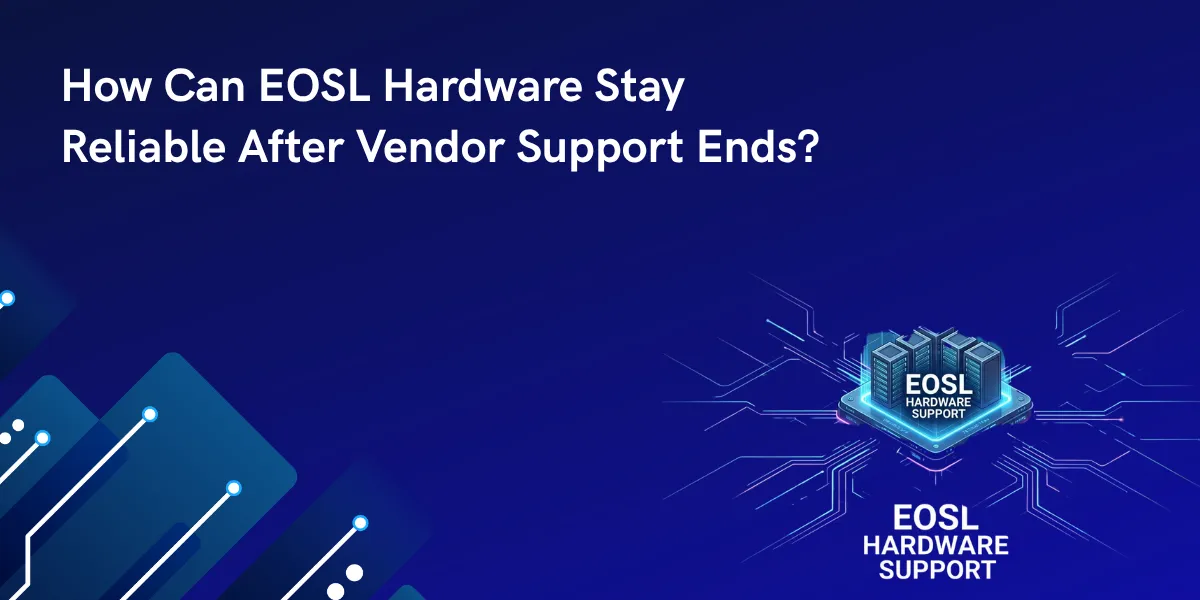
The good news is that EOSL Hardware can still remain reliable and perform effectively even after vendor support ends. With the right maintenance approach, businesses can extend the life of their servers, storage systems, network devices, and other data center equipment while keeping costs under control.
What Is EOSL Hardware?
EOSL Hardware refers to equipment that has reached the point where the original manufacturer stops providing support services. This may include:
- Servers
- Storage systems
- Network switches
- Routers
- Tape libraries
- Data center hardware
When equipment reaches EOSL status, it does not mean the hardware suddenly stops working. In many cases, the equipment continues to perform properly for several more years. The main difference is that the manufacturer no longer offers repairs, replacement parts, or technical assistance.
Because of this, many businesses look for other support options instead of replacing their equipment right away.
Why Do Businesses Continue Using EOSL Hardware?
Replacing an entire IT infrastructure can be expensive. Many organizations have invested significant amounts of money in their hardware and want to get the maximum value from that investment.
Businesses continue using EOSL Hardware because:
- The equipment is still functioning properly.
- Replacement projects require large budgets.
- System migration takes time and planning.
- Existing hardware meets business requirements.
- Organizations want to reduce unnecessary spending.
For many businesses, replacing equipment simply because vendor support has ended is not always the most practical choice.
Common Challenges After Vendor Support Ends
Although EOSL Hardware can continue operating, businesses may face several concerns once manufacturer support is no longer available.
Limited Access to Replacement Parts
If a component fails, finding replacement parts may become difficult through the manufacturer.
Higher Upgrade Costs
Manufacturers often recommend purchasing newer models. This can result in large expenses that may not fit within current budgets.
Technical Support Concerns
Businesses may worry about who will assist if hardware issues occur.
Planning Future Infrastructure Needs
Organizations must decide whether to continue using existing equipment or move toward newer systems.
These challenges can be managed effectively through proper maintenance and support services.
How Can EOSL Hardware Stay Reliable?
The reliability of EOSL Hardware depends on how it is maintained. Proper care and professional support can help the equipment continue operating for years after vendor support ends.
Regular Maintenance
Routine inspections help identify potential issues before they become major problems. Regular maintenance keeps systems operating smoothly and reduces the chance of unexpected downtime.
Hardware Monitoring
Monitoring system performance helps businesses identify unusual behavior, temperature issues, or component failures before they affect operations.
Access to Spare Parts
Having replacement parts available can significantly reduce downtime when hardware components need replacement.
Skilled Technical Support
Experienced engineers can diagnose issues, perform repairs, and provide guidance when problems occur.
Preventive Care
Preventive maintenance focuses on addressing small issues early before they become costly failures.
These steps help businesses maintain reliable operations while extending the life of their equipment.
Benefits of Maintaining EOSL Hardware
Many organizations discover several advantages when they continue supporting their EOSL Hardware through a maintenance provider.
Reduced IT Expenses
One of the biggest benefits is cost savings. Businesses avoid large capital expenses associated with replacing equipment prematurely.
Longer Hardware Life
Proper maintenance allows organizations to continue using hardware that still meets their needs.
Better Budget Planning
Instead of spending heavily on immediate replacements, businesses can plan upgrades according to their actual requirements.
Less Downtime
Professional support and quick access to replacement parts help reduce service interruptions.
Greater Return on Investment
Organizations receive more value from their existing equipment by extending its operational life.
Why Immediate Replacement Is Not Always Necessary
Many businesses assume that EOSL Hardware must be replaced as soon as vendor support ends. However, this is not always true.
If the equipment:
- Performs reliably
- Supports business operations
- Meets performance requirements
- Receives proper maintenance
Then replacing it immediately may not be necessary.
A planned approach often works better than rushing into large infrastructure projects. Businesses can continue using their current systems while preparing for future upgrades at a pace that fits their budget and goals.
The Importance of Third-Party Maintenance
Third-Party Maintenance (TPM) has become a popular option for businesses managing EOSL Hardware.
TPM providers offer support services after manufacturer support ends. These services help organizations maintain their equipment without being forced into expensive replacement cycles.
A TPM provider can assist with:
- Hardware maintenance
- Troubleshooting
- Replacement parts
- Technical support
- Preventive maintenance
- System monitoring
This allows businesses to continue operating confidently while controlling costs.
Signs Your EOSL Hardware Can Continue Operating
Not all EOSL Hardware needs replacement immediately. Equipment may still have several productive years remaining if:
- Performance remains stable.
- Hardware failures are minimal.
- Business workloads are being handled effectively.
- Maintenance support is available.
- Replacement parts can still be sourced.
A proper assessment can help determine whether existing equipment should be maintained or replaced.
Planning for the Future
While maintaining EOSL Hardware is often a smart choice, businesses should still plan for future infrastructure needs.
A long-term strategy helps organizations:
- Prepare future budgets.
- Schedule upgrades at appropriate times.
- Avoid unexpected hardware failures.
- Support business growth.
- Manage infrastructure more effectively.
The goal is not simply to keep equipment running but to make informed decisions about future investments.
Conclusion
EOSL Hardware does not become useless when vendor support ends. Many businesses successfully continue using their servers, storage systems, network devices, and data center equipment for years after reaching EOSL status. The key is proper maintenance, reliable technical support, and access to replacement parts.
By extending the life of existing equipment, businesses can reduce costs, improve return on investment, and avoid unnecessary hardware replacement projects. With the right maintenance approach, EOSL Hardware can remain dependable and continue supporting daily operations effectively.
Agrius IT provides EOSL Hardware services that help businesses extend the life of their servers, storage systems, network equipment, and data center hardware through reliable Third Party Maintenance and support solutions.